Featured
Table of Contents
The five phases of grief are denial, anger, bargaining, clinical depression, and acceptance. Everybody experiences despair in different ways, and it is essential to enable people to regret in their own means.
It is essential to bear in mind that the grieving process can be complicated, and it isn't the exact same for everybody. These steps might not be adhered to exactly, or various other feelings may emerge after you thought you were through the stages of grieving. Allowing space to experience grief in your own way can assist you recover after loss.

It suggests that we go with 5 distinct phases after the loss of a liked one. These stages are rejection, temper, negotiating, clinical depression, and finally acceptance. In the initial stage of the mourning procedure, rejection aids us minimize the overwhelming discomfort of loss. As we refine the fact of our loss, we are also attempting to make it through psychological pain.
During this phase in grieving, our truth has actually changed totally. It can take our minds time to adapt to our new reality. We assess the experiences we have actually shared with the person we shed, and we might find ourselves questioning how to move on in life without he or she. This is a great deal of info to explore and a great deal of agonizing images to procedure.
Developing Inner Safety in IFS / Parts Work Therapy for Trauma Survivors in Your Area
Rejection is not just an effort to act that the loss does not exist. We are additionally trying to soak up and recognize what is happening. The second stage in grieving is temper. We are attempting to readjust to a new fact and are likely experiencing severe emotional discomfort. There is so much to refine that rage may seem like it permits us an emotional outlet.
However, it might really feel much more socially acceptable than confessing we are scared. Rage permits us to reveal emotion with less fear of judgment or rejection. Anger also has a tendency to be the initial thing we really feel when starting to launch feelings associated with loss. This can leave us feeling isolated in our experience.
During bargaining, we tend to concentrate on our personal faults or remorses. We might look back at our communications with the individual we are shedding and keep in mind at all times we felt separated or may have caused them discomfort. It is typical to remember times when we might have stated points we did not imply and wish we can return and act differently.
During our experience of handling sorrow, there comes a time when our creativities relax and we slowly start to take a look at the reality of our present scenario. Negotiating no more seems like an alternative and we are encountered with what is occurring. In this stage of grieving, we begin to really feel the loss of our enjoyed one more generously.
IFS Therapy: Discovering Your Inner System
In those moments, we tend to pull internal as the despair grows. We could discover ourselves pulling away, being much less sociable, and getting to out less to others about what we are going through.

, it is not that we no much longer feel the discomfort of loss. Instead, we are no longer withstanding the fact of our circumstance, and we are not battling to make it something different.
There is no details period for any of these stages. Someone may experience the stages quickly, such as in a matter of weeks, whereas one more person might take months and even years to move through the phases of grieving. Whatever time it considers you to move with these stages is perfectly regular.
Integration: Achievement Beyond IFS
You may or may not go with each of these phases or experience them in order. We may also relocate from one stage to one more and possibly back once more before fully relocating into a brand-new phase.
These models can supply higher understanding to people that are hurting over the loss of a liked one. They can likewise be made use of by those in healing careers, helping them to offer reliable care for grieving people who are looking for notified advice. Legendary psycho therapist John Bowlby concentrated his service investigating the emotional accessory between parent and child.
British psychoanalyst Colin Murray Parkes developed a version of grief based upon Bowlby's concept of attachment, recommending there are 4 phases of mourning when experiencing the loss of a loved one:: Loss in this phase feels impossible to approve. The majority of closely pertaining to Kbler-Ross's phase of rejection, we are overwhelmed when attempting to deal with our emotions.
: As we process loss in this phase of sorrow, we may begin to look for convenience to load the space our enjoyed one has actually left. We might do this by experiencing again memories via images and looking for indications from the person to really feel linked to them. In this phase, we end up being very preoccupied with the individual we have shed.
Working with Manager Parts in Healthcare & Medical Professionals Professionals
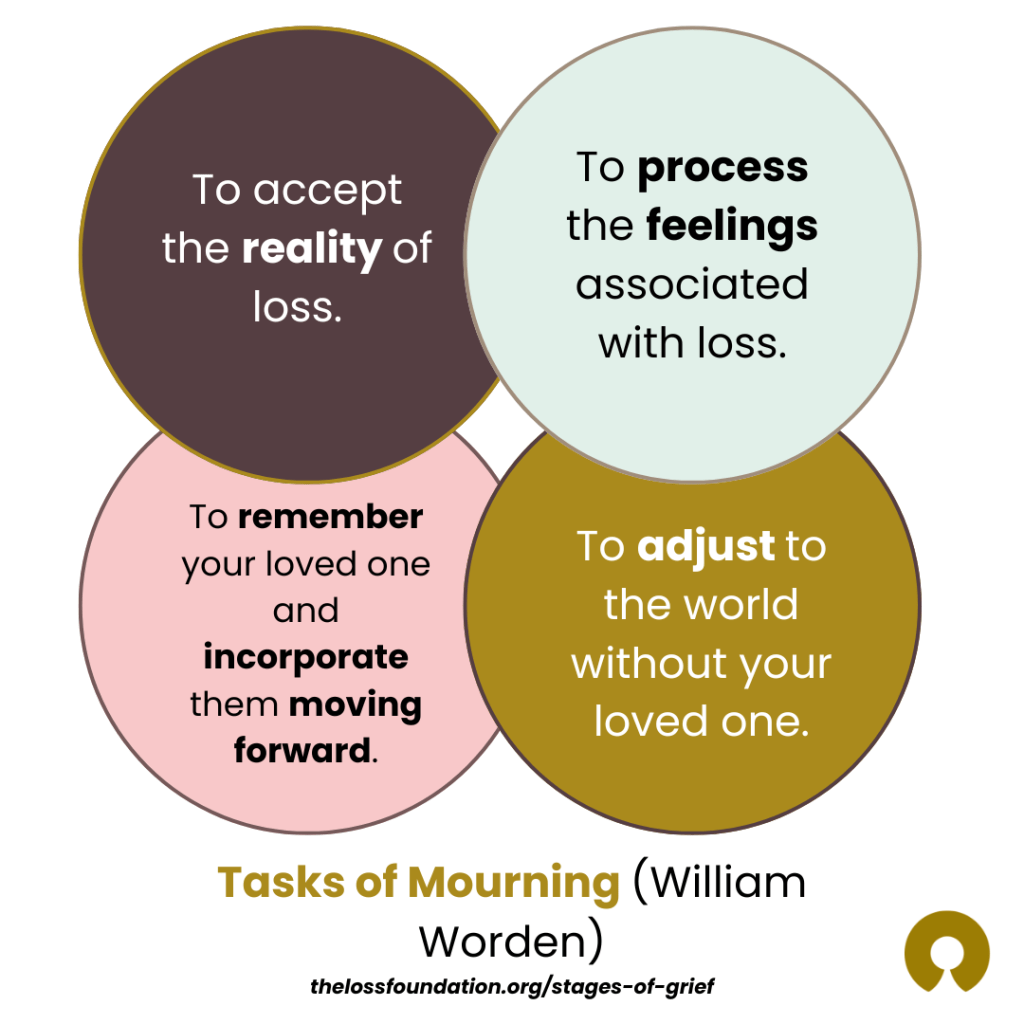
The understanding that our liked one is not returning feels real, and we can have a challenging time comprehending or finding hope in our future. We may feel a bit pointless during this section of the grieving process and retreat from others as we process our pain.: In this stage, we feel a lot more confident that our hearts and minds can be brought back.

Table of Contents
Latest Posts
Value in Choosing Every Heart Dreams Counseling expert in Evidence-Based Therapy for Your Recovery
An Individual's Transformation of Wholeness with Evidence-Based Therapy
Investment to Mental Wellness in Ashburn, VA
More
Latest Posts
Value in Choosing Every Heart Dreams Counseling expert in Evidence-Based Therapy for Your Recovery
An Individual's Transformation of Wholeness with Evidence-Based Therapy
Investment to Mental Wellness in Ashburn, VA